For many busy moms with little ones, home can feel like a source of stress rather than comfort. Between clutter that seems to multiply overnight and countertops that never stay clear for long, your space can start to feel like it’s working against you instead of supporting you. As a busy mom to two young children myself, I know this feeling well. For me, creating a calmer home didn’t come from buying more bins or organizing systems. It came from stepping back and understanding what was really causing the friction in my space.
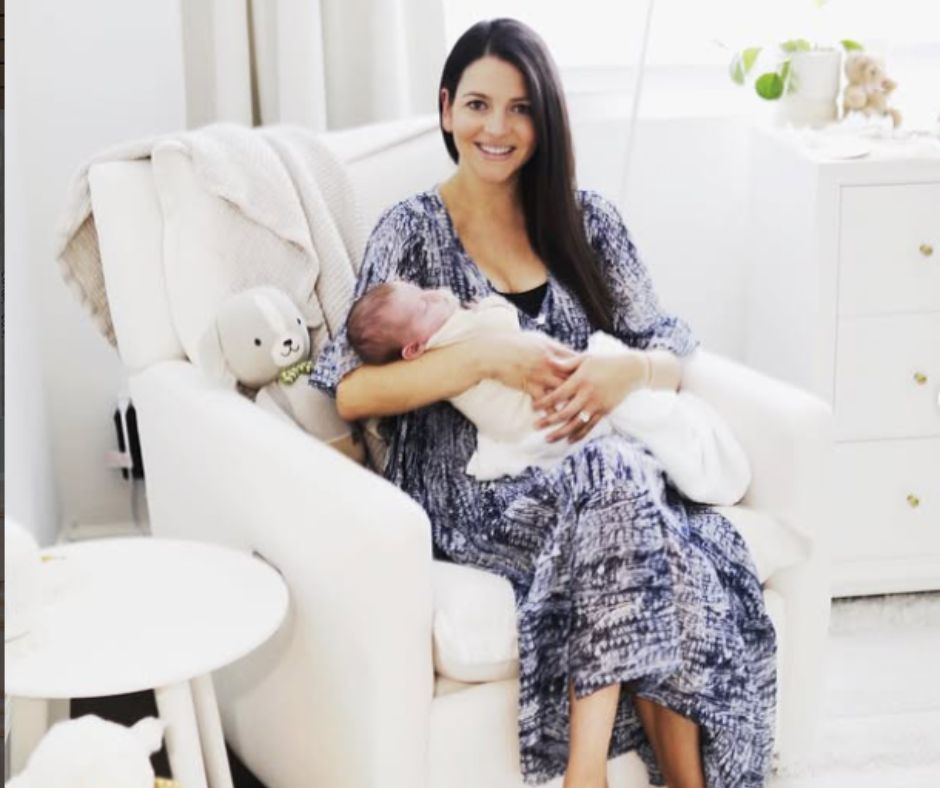
When you have young children, the home becomes the center of everything. It’s where routines begin and end, where transitions happen, where emotions run high, and where the mental work of family life lives. Meals, naps, school prep, play, cleanup, and bedtime all move through the same rooms, often at the same time. And when your home isn’t set up to support how your family actually lives, it quietly adds stress throughout the day.
How Your Home Adds to Daily Stress
Your home should reduce your daily stress, not add to it. But when you have to walk across the house to grab shoes before heading out the door, when toy storage is in a room where your kids don’t actually play, or when the dining table becomes the catch-all because there’s nowhere else for bags and paperwork to go, your home quietly works against you throughout the day.
Surfaces that collect everything become visual reminders of unfinished tasks. Spaces feel cluttered even when they’re not. And even when nothing is technically “wrong,” your brain stays alert because the environment never feels settled.
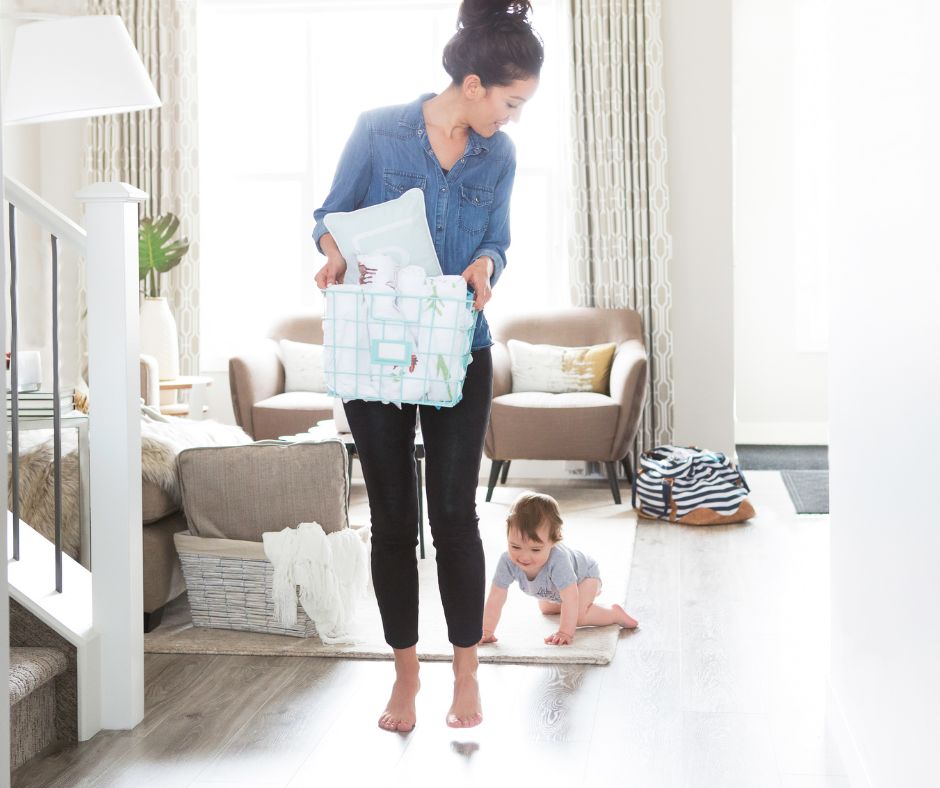
For many busy moms, the home isn’t just where stress shows up—it’s where stress is amplified. Not because you’re doing something wrong, but because most homes weren’t designed with the realities of family life in mind. They were designed to look a certain way, not to function under the weight of daily routines, emotional transitions, and the mental load that comes with caring for young children.
This isn’t about being disorganized. It’s about misalignment between how your home is set up and how your life actually unfolds inside it.
Why Home Organization Alone Doesn’t Create Lasting Calm
This is where many solutions fall short. Home organization for busy moms often focuses on containment—finding a place for things, adding bins, baskets, or drawer dividers. It’s about managing what’s already there, not questioning whether the setup itself supports how you actually live.
The problem is that buying more storage doesn’t change routines, habits, or energy. It doesn’t account for the constant interruptions, the mental load, or the reality that family life rarely follows a predictable rhythm. Without understanding how your home functions during real moments—morning rushes, after-school chaos, bedtime wind-downs—the same issues return. The bins fill up. The counters are cluttered again. The frustration comes back.
Not because you failed, but because the root problem was never addressed.
What busy moms need instead is a way to step back, look at their home differently, and understand what their space is really asking for.
A Different Approach: Lifestyle Design for Busy Parents
At House of Wabi, calm is created through lifestyle design for busy parents—an approach rooted in wabi-sabi, the Japanese philosophy that honors imperfection, simplicity, and the beauty of spaces that evolve with real life. Instead of striving for a home that looks flawless, this work focuses on creating a home that feels right—one that supports your family as it is, not as it “should” be.

Lifestyle design recognizes that family life is layered, unpredictable, and demanding. A home should support those realities, not fight against them. When a space is aligned with daily routines, energy levels, and responsibilities, pressure softens and calm becomes more accessible.
This approach shifts the focus from fixing to supporting. It starts not with how a home should look, but with how life is actually lived inside it.
The FOCUS Framework: Your Guide to a Calmer Home
When I work with busy moms, I use my FOCUS framework to understand where a home is creating friction and where it can offer more support. It’s not a checklist—it’s a way of seeing your space through a different lens.
I start by looking at function—where daily life feels harder than it needs to be. Where does movement break down? Where do routines stall? This is about understanding how your family actually moves through the home, not how it’s supposed to work in theory.
From there, I focus on optimizing the systems that are already in place. This isn’t about enforcing new habits or adding more structure. It’s about easing friction and reducing decisions by creating systems that work with your behavior, not against it—systems that don’t require perfection or constant upkeep.
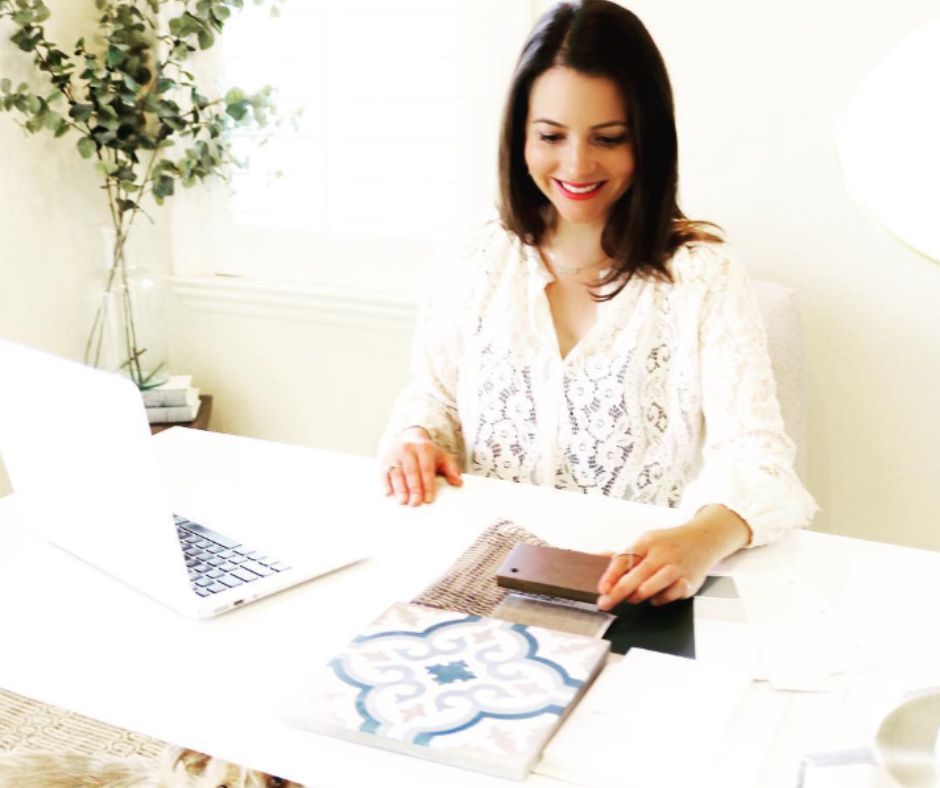
Clarity looks at the mental and emotional weight your home carries. How much visual noise competes for your attention? What does the space ask of you just by being in it? I work to lighten that load, honoring the mental work you’re already doing.
Unity brings everything into alignment. It ensures your home reflects how you want to live, not how you think it should look. When your values, routines, and environment are aligned, the space starts to feel on your side.
And finally, style reflects calm that feels real and lived-in, not styled for appearance alone. It’s the layer that honors beauty without demanding perfection.
When these elements come together, your home shifts back into alignment with the people living inside it. And that alignment is what allows a calmer home to take shape.
What a Calmer Home Feels Like in Real Life
A calmer home doesn’t mean everything stays neat or quiet. It means the space is set up to support you, even on your busiest days. Routines are supported instead of resisted. There’s less visual noise competing for your attention, and certain areas of the home feel predictable and grounding, even when the day itself is not.
You might notice fewer end-of-day decisions. Smoother transitions between activities. A sense that your home is carrying some of the weight instead of adding to it. This is where lifestyle design and thoughtful systems come together in a way that feels supportive rather than demanding.
Calm doesn’t come from doing everything perfectly. It grows through clarity, alignment, and the quiet understanding that your space is working with you, not against you.
An Invitation to Busy Moms Who Want a Calmer Home
If you’re a busy mom longing for a calmer home and want help seeing your space through this lens, I offer lifestyle design solutions to help you create spaces that make day-to-day life easier and calmer.
This work isn’t about fixing your home. It’s about understanding it—and creating a space that feels more supportive, steady, and in tune with your life as it is right now.
Because calm doesn’t come from perfection. It comes from feeling supported where you live.