I’ve been thinking a lot about what home means lately. Not just the four walls or the furniture we choose, but how our environments shape the way we feel, move, rest, and reconnect with ourselves. When I look at the clients I serve, the conversations I have, and even the way I’m designing my own space, one thing is clear. We’re all craving more ease. More calm. More intention. And we want homes that support us in ways that feel honest, grounding, and sustainable.
That’s why the lifestyle design trends emerging for 2026 feel so aligned with where many of us are heading. This year isn’t about “decorating” in the traditional sense. It’s about creating a home that functions as a holistic sanctuary, one that supports your well-being and makes everyday life feel lighter. Below are the trends I see shaping the way we design and live in our homes in the year ahead.
1. Wellness Focused Design Leads the Way
One of the strongest shifts in 2026 is toward wellness-focused design. This approach looks at how your home affects your physical, mental, and emotional health. It includes the air you breathe, the materials you use, the amount of natural light you receive, and the flow of your space. According to what designers expect to see in the coming year, wellness will continue to guide major design decisions in the home.
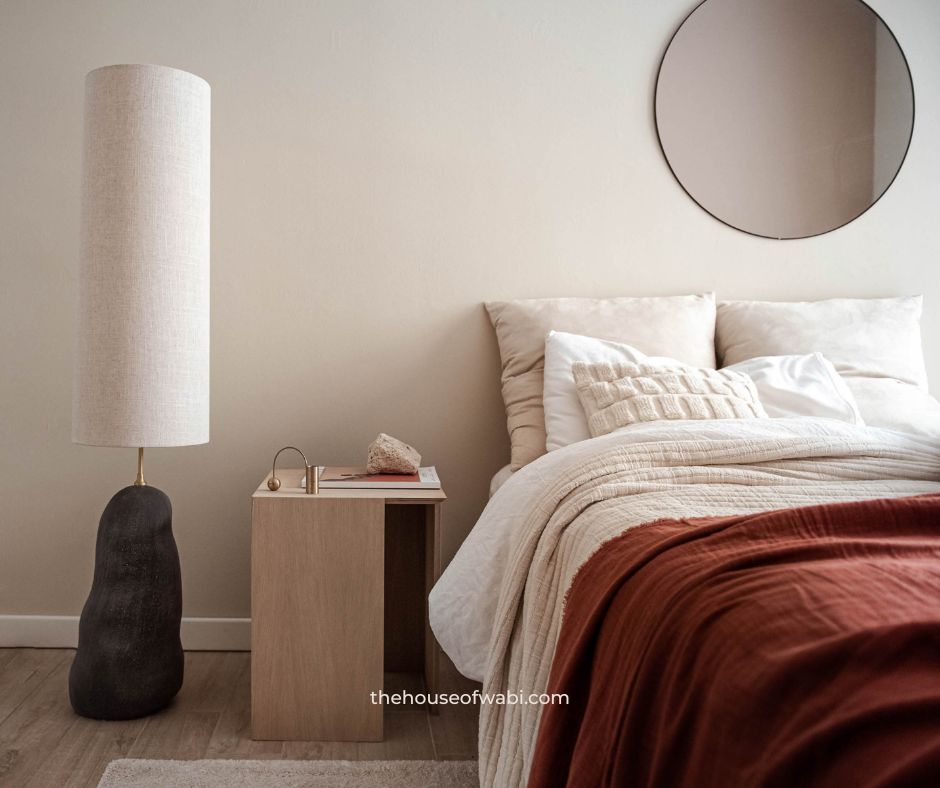
Small design choices support your well-being more than you might think. Natural light helps regulate your energy. Improved air quality lightens your mood. Less visual clutter reduces stress. Organic materials make your home feel warm and grounded.
Practical ways to bring this trend into your home:
- Open your blinds first thing in the morning
- Use warm, layered lighting for softer evenings
- Choose non-toxic cleaning products and materials
- Add plants to improve air quality
- Edit visual clutter to give your home room to breathe
These simple steps help your home work for you and create an environment that feels calm and supportive.
2. Zoning & Multi-Use Spaces Become Essential
Hybrid work is still part of modern life, which means many homes must do double duty. This year, lifestyle design trends focus on creating zoning within a single room. Zoning allows one space to serve different functions—without feeling chaotic or cluttered.
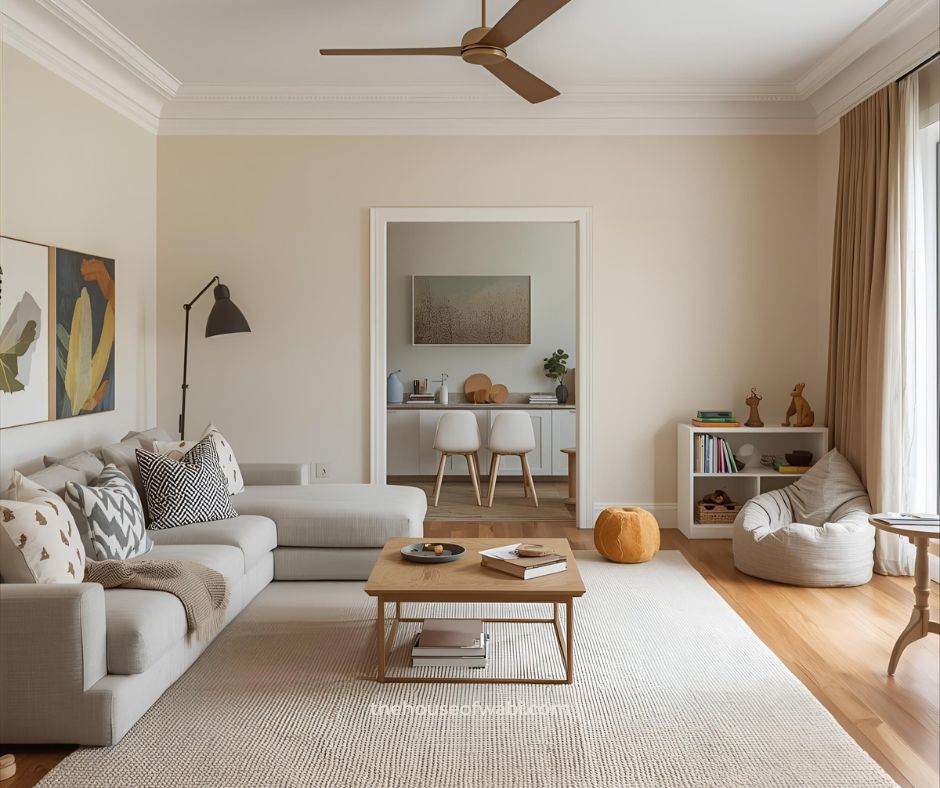
A living room can include a reading corner, a workspace, and a relaxation zone. A bedroom can support sleep, meditation, and stretching. The goal is to design rooms that shift with your day, while still feeling grounded and peaceful.
Ways to create zoning at home:
- Use area rugs to define different zones
- Separate work and relaxation areas with lighting changes
- Position furniture to support movement and flow
- Keep work tools contained so evenings feel restful
Zoning helps you use your home more efficiently while protecting your peace.
3. Curated Interiors Replace Fast Furniture
After years of fast-purchase decorating, people are leaning toward mindful home design. This shift is about buying fewer items, choosing pieces with meaning, and creating rooms that feel personal and long-lasting. Instead of chasing trends, homeowners want items that reflect their values, tell a story, and age well.
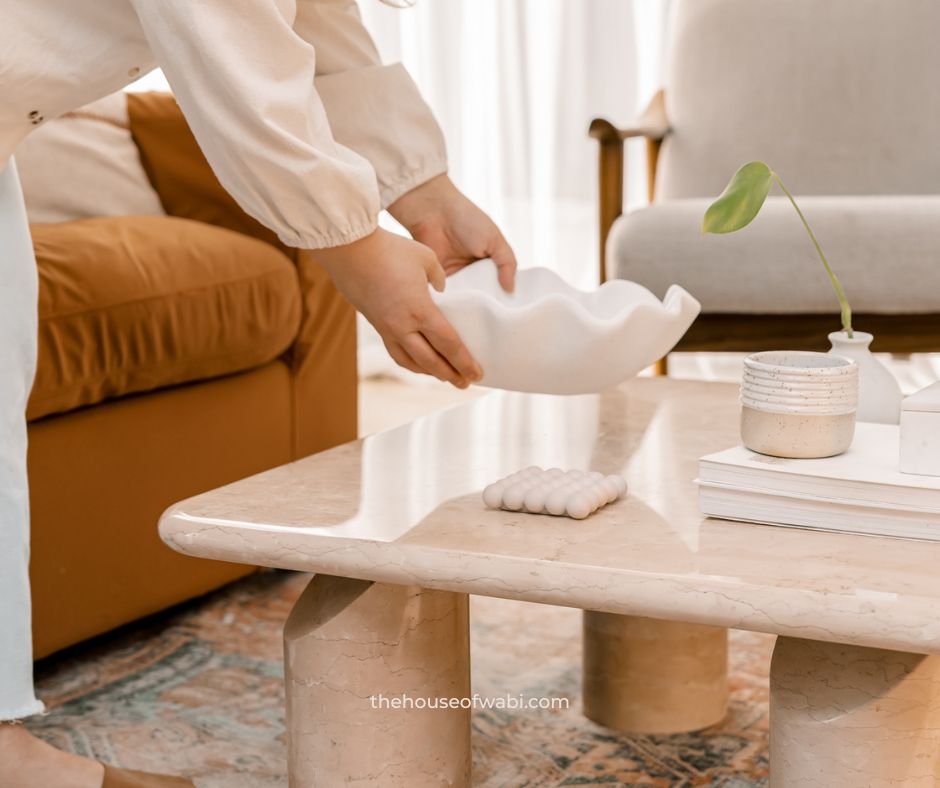
People are investing in:
- Handcrafted furniture
- Small-batch ceramics
- Natural fabrics
- Vintage or heirloom pieces
- Artwork with emotional value
This approach creates a home that feels more intentional and less cluttered. It also aligns with a growing desire for sustainability, longevity, and emotional connection.
Tips to embrace this trend:
- Choose quality over quantity
- Shop from artisan makers when possible
- Keep surfaces simple and purposeful
- Let meaningful pieces take the lead
Curated interiors encourage slower living, deeper appreciation, and a home that feels uniquely yours.
4. Sensory-Centered Spaces Support Calm Living
Another emerging trend in 2026 focuses on designing for the senses. This approach supports your emotional well-being by paying attention to how your home feels, sounds, and even smells. These lifestyle design trends reflect the need for calm, comfort, and moments of restoration throughout the day.
Elements that support the senses:
- Soft textures
- Warm color palettes
- Layered lighting
- Natural scents
- Quiet acoustics
- Rounded shapes and organic materials
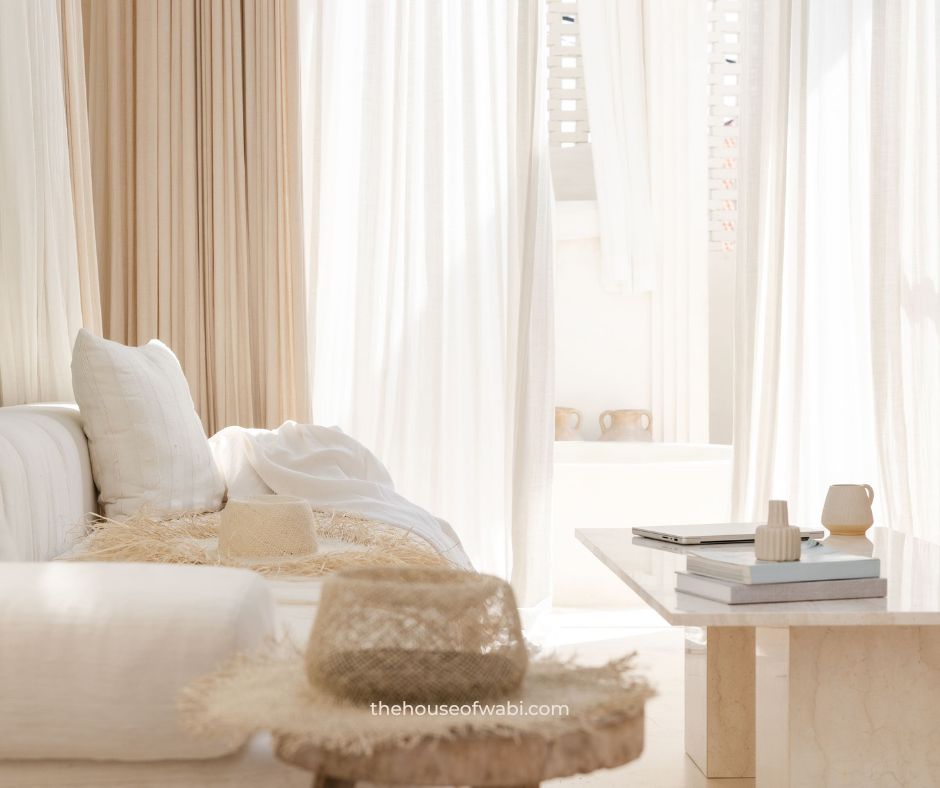
Simple ways to create sensory-centered spaces:
- Use dimmable lighting to shift from work mode to rest mode
- Add cozy textures with blankets, rugs, and pillows
- Choose calming scents like lavender or cedar
- Reduce harsh noise with soft materials and curtains
Designing for the senses brings balance and ease to your daily routines.
5. 2026 Lifestyle Design Trends Embrace Slow Living Design
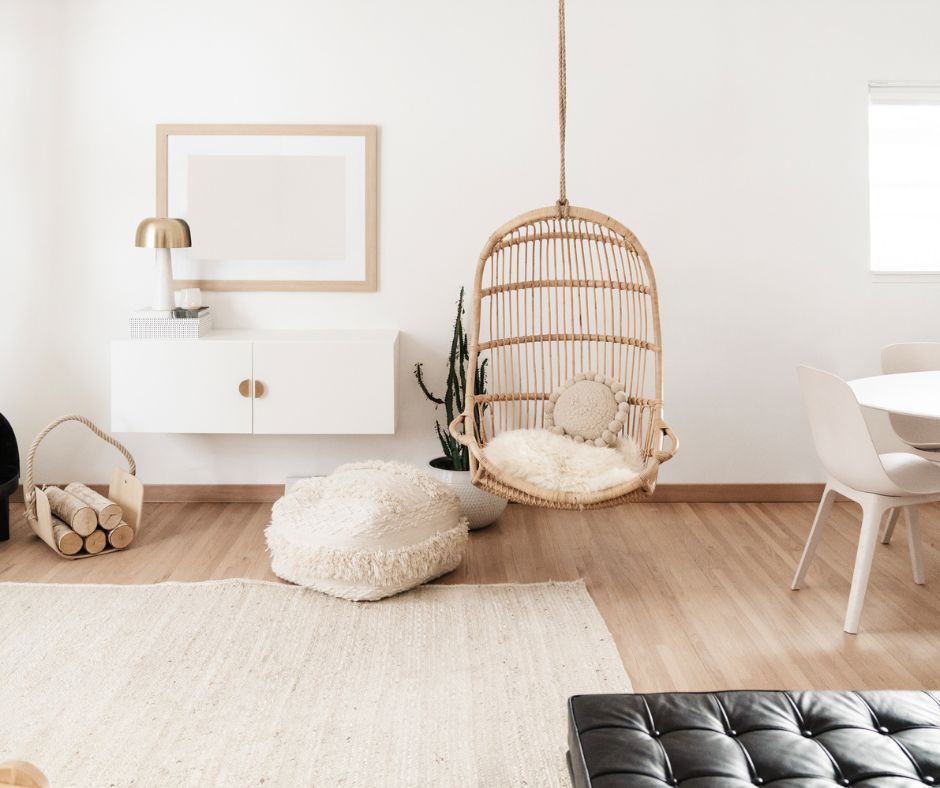
The final trend shaping the year ahead is the rise of slow living design. People want homes that help them slow down, feel grounded, and enjoy the present moment. This trend supports emotional clarity by reducing clutter, simplifying routines, and creating meaningful pauses throughout the day.
Slow living design includes:
- Clear and simple surfaces
- Fewer decorative items
- Daily reset rituals
- Natural light and open space
- Intentional editing of possessions
Ways to bring slow living into your home:
- Start with one surface and clear everything that isn’t essential
- Create a simple morning or evening ritual
- Keep high-use areas clutter-free
- Choose calming, neutral tones to help soften your environment
This trend blends beautifully with the House of Wabi philosophy. Less noise. Less overwhelm. More clarity, space, and ease.
Create a Home That Supports the Life You Want
These lifestyle design trends show that 2026 is all about intentional, supportive, and wellness-centered living. Small changes can transform how your home feels and how you move through your day.
Your home should be the foundation for your well-being, not a source of stress. If your space is out of sync with your daily life, it can affect everything from your mood to your energy and even your health.
If you’re ready to create a home that supports your well-being, I’d love to guide you. Start with my free guide on how to make a more peaceful and functional home, which walks you through simple steps to bring function and calm back into your space.
With my unique 5-pillar framework, I’ll help you focus on function, comfort, wellness, and aesthetics to create a home tailored to you. So you can live a happier, healthier life.
Your home should make life feel calmer, lighter, and more aligned with who you are. Let’s design a space that helps you live well—every single day.