We’ve all been there. You spend an entire Saturday “cleaning,” but by Monday, the clutter has crept back and the stress returns. You’ve moved the boxes, labeled the bins, and tucked the mess behind a closed door. The problem isn’t that you didn’t work hard enough. It’s that organizing your clutter doesn’t address the real issue. To truly change how a space feels, you have to stop “storing” and start practicing intentional editing.
Here’s the hard truth: organized clutter is still clutter. When we simply relocate our belongings, we aren’t solving the problem. We’re just delaying the decision. Intentional editing is the art of letting go of what no longer serves your life so you can make room for what actually matters.
My Journey: From Moving Boxes to Moving Forward
In my 20s, my moves were chaotic. I’d pack up boxes of things I thought I needed, only to unpack them in a new closet. It wasn’t until I merged homes with my husband that I realized I had to learn the art of sharing spaces and closets.
The next shift happened when our guest room, office, and storage closet had to become a nursery for our first child. For the first time, I didn’t just move the stuff to a new corner. I got rid of it. With every donation bag that left the house, I felt lighter.
But as any parent knows, stuff is like a weed. It keeps creeping back. When we moved from California to Arizona into a larger home, that extra square footage became a magnet for things we didn’t need. I had a beautiful office that I despised entering because it was a constant reminder of the mental weight I was carrying.
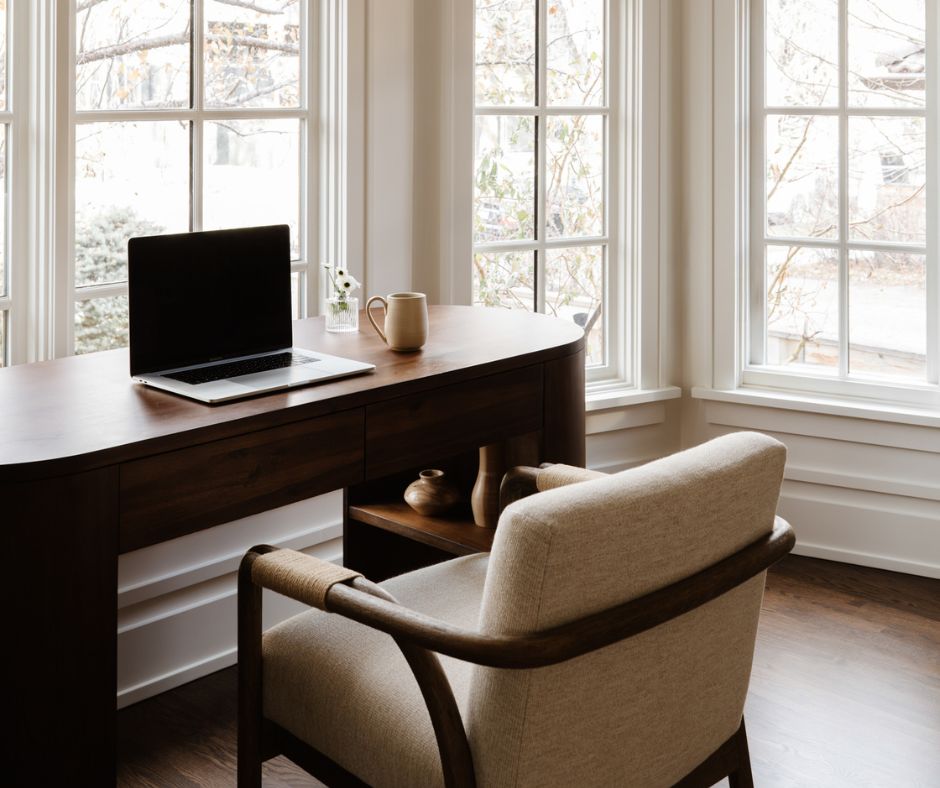
When baby number two came along, I knew the cycle had to end. I didn’t just organize that room. I edited it down to the essentials. I realized that the stuff you store still taxes your mental energy. Even if it’s behind a closed door, your brain knows it’s there.
The Benefits of Intentional Editing
For me, it took two pregnancies and a move to finally shift how I approached home organization and start getting intentional about living with less. Many of us wait for a catalyst: a new baby, a renovation, a divorce, a death, or a big move to finally face the boxes. Sometimes it takes a major life event to find the energy or strength to go through those items and really take the time to let them go. That’s okay.

But I also want to stress the importance of doing it now so you don’t have to wait to start living well. This is where I discovered the wabi-sabi philosophy: the practice of honoring imperfection, letting go, and creating space for what truly matters. It changed how I approached not just my own home, but how I guide my clients through their spaces.
Why Home Organization Alone Isn’t Enough
This is where many solutions fall short. Home organization often focuses on containment: finding a place for things, adding bins, baskets, or drawer dividers. It’s about managing what’s already there, not questioning whether those items still serve your life.
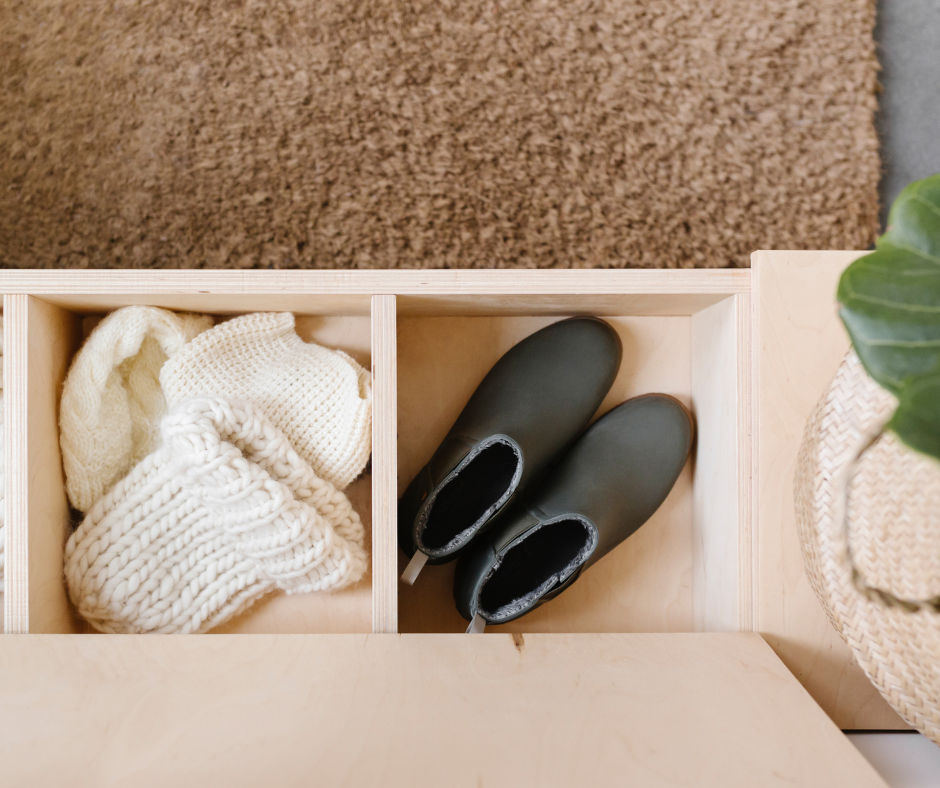
The problem is that buying more storage doesn’t change your relationship with your belongings. It doesn’t account for the mental load, the constant visual reminders, or the reality that even organized clutter still takes up space in your mind. Without removing what no longer serves you, the same cycle continues. The bins fill up. The closets overflow. The mental weight remains.
You’re probably wondering why an interior and lifestyle designer is so focused on what’s in your closets or your junk drawers. That’s because for me, design is more than aesthetics. It’s alignment.
Design Is More Than Aesthetics—It’s Alignment
In my work, I don’t just pick out paint colors or find the perfect rug. That’s surface level. My interior and lifestyle design services are built on the belief that your environment is the foundation for your daily performance and happiness.
Interior design creates the functional and aesthetic flow that supports your physical body. Lifestyle design creates the intentional habits and boundaries that support your mental well-being. When these two meet, we stop managing your clutter and start designing your ideal space.
This approach is rooted in wabi-sabi: the philosophy that honors imperfection, simplicity, and the beauty of what remains when you let go of excess. It’s about creating a home that feels right, not one that looks perfect. When you simplify your home by removing what no longer serves you, you’re not just clearing physical space. You’re clearing mental and emotional space too.
I use my FOCUS framework to guide this work. It’s a way of understanding where your home creates friction and where it can offer more support. If you’re a busy mom, this framework is key to helping you create a calmer, more aligned home.
The Practice of Intentional Editing
If you’re constantly navigating stuff that doesn’t feel good, you’re leaking energy that could be spent on your family, your business, or your own self-care. Intentional editing isn’t about perfection or minimalism. It’s about being honest with yourself about what you actually use, what brings you joy, and what’s just taking up space.
The time to start living well is now. You deserve a home that acts as a sanctuary, not a storage unit. You don’t need a reason to clear the space. You are the reason.
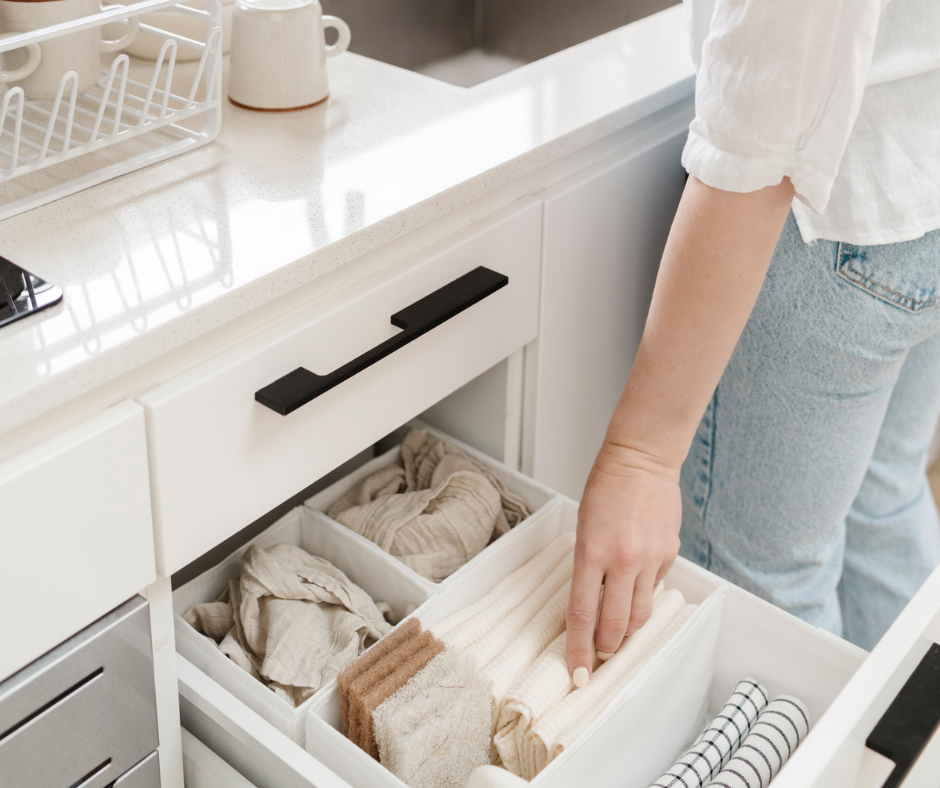
When you stop managing your clutter and start removing it, you reclaim the energy you need for the things that actually matter. Editing your life isn’t a one-time event. It’s a practice. It’s about choosing your peace of mind over a box of maybe-someday items.
And you don’t have to tackle everything at once. You can start small.
Mini Exercise: The “One Surface” Edit
If you’re feeling overwhelmed, don’t try to tackle the whole house. Try this 15-minute exercise:
Pick one flat surface. A nightstand, a coffee table, or a single shelf.
Clear it completely: Take everything off. Every single thing.
The invitation: Look at the items you removed. Only invite back the things that are beautiful or serve a daily purpose.
The exit strategy: Everything else goes into a bag and leaves the house today.
Notice how your breathing changes when you look at that one clear, intentional space. That feeling is what happens when your home starts working with you instead of against you.
An Invitation to Lighten the Load
Editing your space doesn’t have to be overwhelming. It can be done one surface, one drawer, one decision at a time. If you’re ready to go deeper and create lasting change in how your home supports you, I invite you to join The Edit Your Life Challenge.
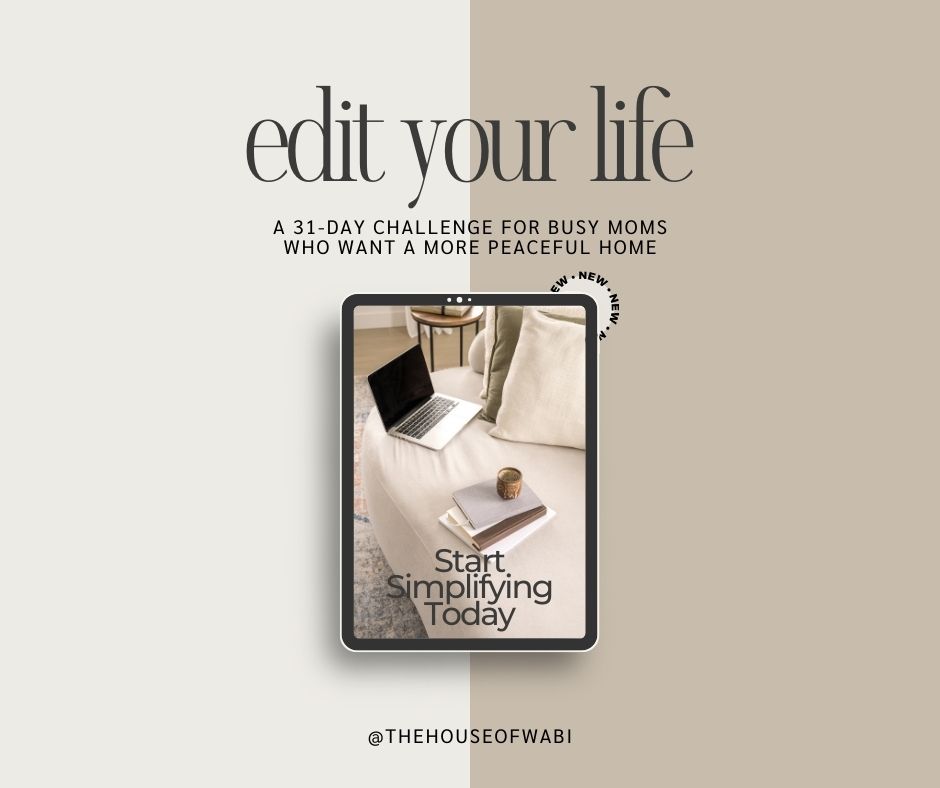
This is a supportive way to practice intentional editing throughout your entire home. It’s not about doing everything perfectly or all at once. It’s about giving yourself permission to let go of what no longer serves you so you can make room for what truly matters.
Because calm doesn’t come from perfection. It comes from feeling supported where you live.